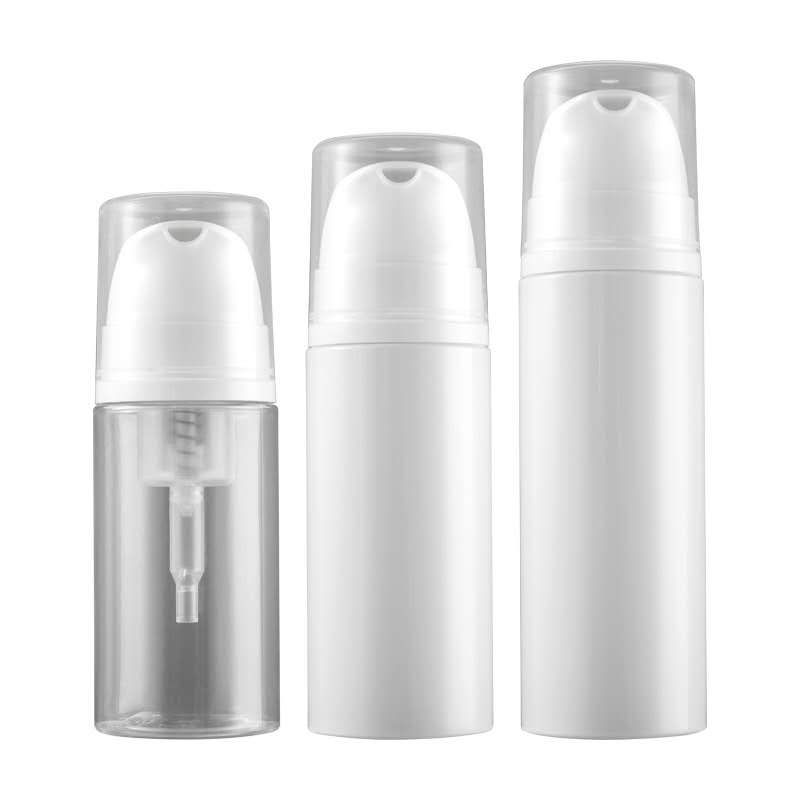
Pump Bottle


Pump bottles are dispensing containers that use a mechanical pump mechanism to draw liquid from the bottle and release it in a controlled manner, typically as a liquid stream, lotion, or foam. Unlike spray bottles that atomize liquid into a fine mist, pump bottles are designed for dispensing thicker liquids or for applications requiring precise, non-aerosolized delivery.
How Pump Bottles Work
The core mechanism involves a pump chamber and a dip tube. When the actuator (the part you press down) is depressed, it creates a vacuum that draws liquid up the dip tube. The liquid is then forced through the pump mechanism and out of the nozzle. Releasing the actuator allows a spring to reset the pump, priming it for the next use.
Key Applications
Pump bottles are essential in industries where controlled, non-misting dispensing is required:
-
Personal Care & Cosmetics: The most common application. Used for hand soap, body lotion, facial cleansers, serums, and shampoos. The pump allows for hygienic, single-handed use and prevents contamination of the product inside.
-
Food & Beverage: Used for dispensing condiments like olive oil, vinegar, syrup, or liquid sweeteners in a controlled drizzle.
-
Pharmaceuticals: For dispensing liquid medications, sanitizers, or topical treatments where dosage control is important.
-
Household Products: For thick cleaning solutions, detergents, or lubricants that are not suitable for spraying.
Common Bottle Shapes and Materials
The design often prioritizes ergonomics and stability.
-
Cylindrical: The standard shape, easy to hold and stable on a countertop.
-
Slim/Flask: Designed for portability, often used for travel-sized products.
-
Square/Rectangular: Efficient for shelf storage and packaging.
-
Oval/Ergonomic: Contoured to fit the hand comfortably for frequent use.
Materials:
-
PET (Polyethylene Terephthalate): Clear, rigid, and excellent for showcasing the product (common for lotions and serums).
-
HDPE (High-Density Polyethylene): Opaque, chemical-resistant, and durable (common for soaps and cleaners).
-
Glass: Used for high-end cosmetics or food-grade oils to preserve purity and offer a premium feel.
Lid and Pump Materials
The pump mechanism is typically made from a combination of materials:
-
Polypropylene (PP): For the outer housing and actuator due to its rigidity.
-
Polyethylene (PE): For the dip tube and internal seals for flexibility.
-
Stainless Steel Spring: Inside the pump for the return mechanism.
Get A Quote For Your Pump Bottle
Bottle Material


Bottle Shape


Surface Finishing

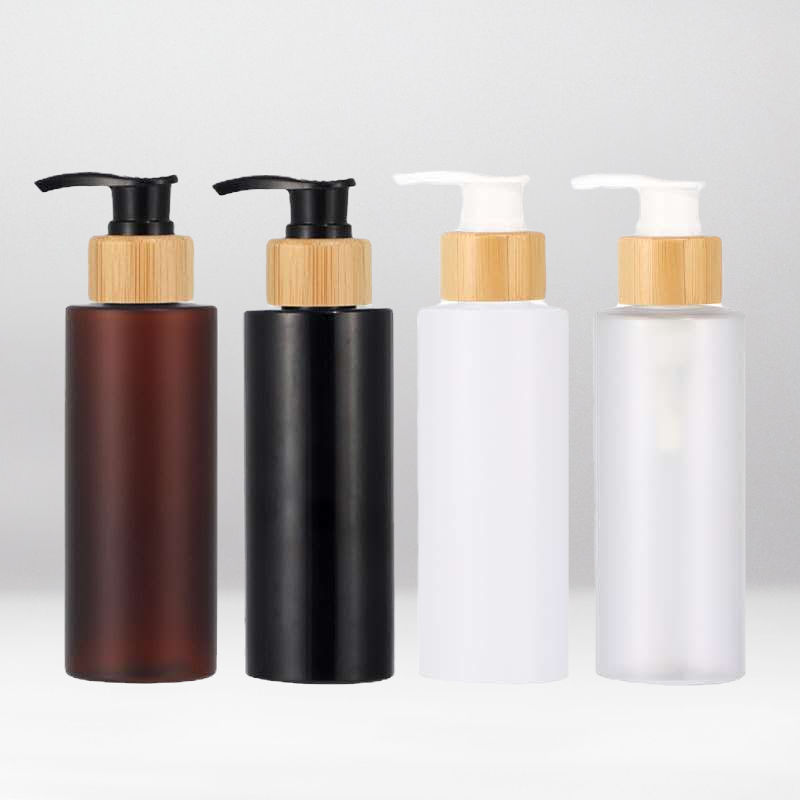

Pump Type